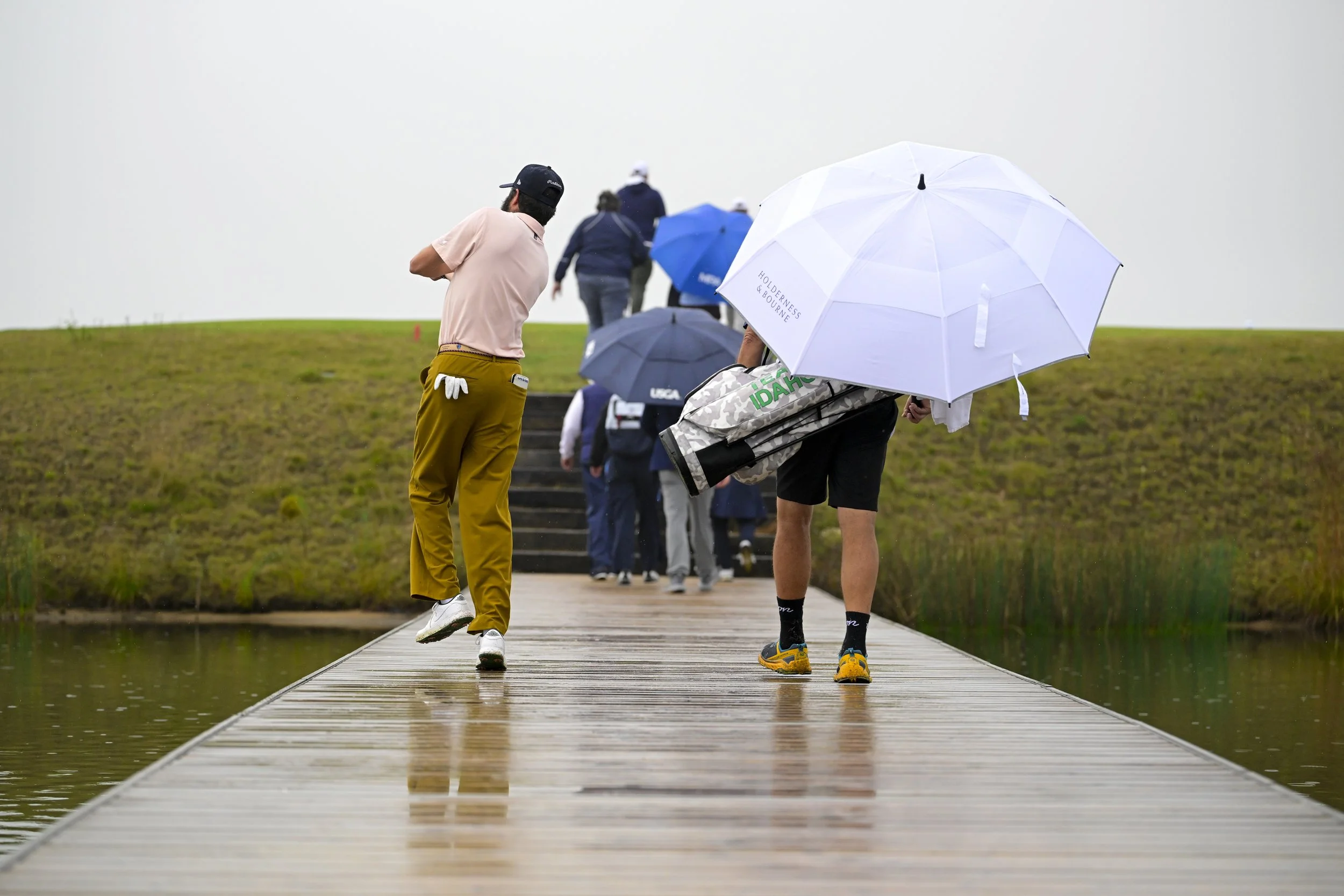
A Run to Remember
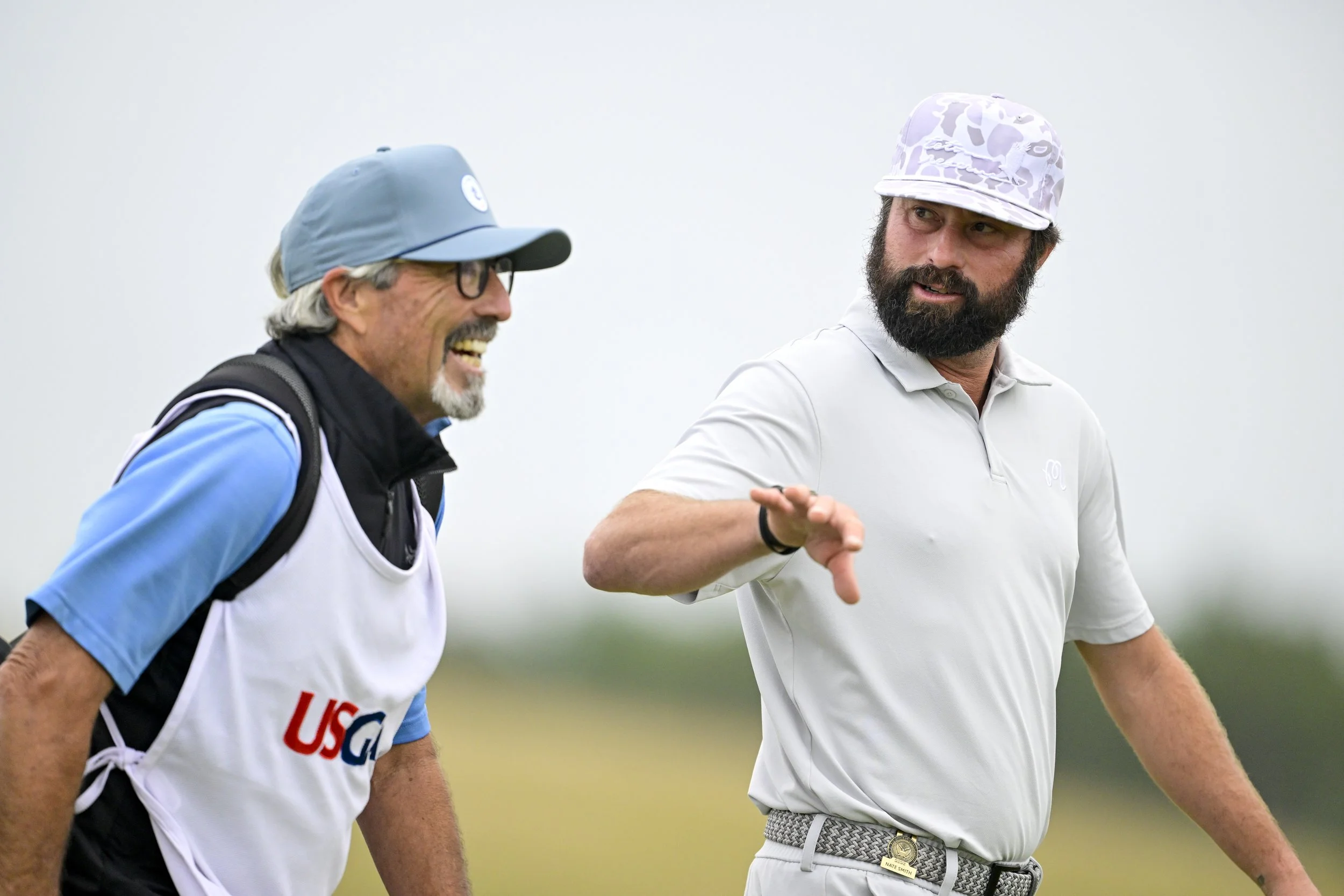
Nate Smith and his father Ken • Photos Courtesy of the USGA (Logan Whitton)
Just ten days before the 45th U.S. Mid-Amateur at The Lido, where his 43-year-old son, Nate, would tear through match play and into the 36-hole championship match, Ken Smith was on a long backpacking trip.
“I kind of came into the tournament with some problems in my right foot,” Ken said as he and Nate drove through empty stretches of Wisconsin to begin their travel home. "And let's just say that had it not been for caddying in this atmosphere, I probably would have been resting my dogs.”
Ken likes to refer to the state of his son’s golf life as the “second bite at the apple.” He had the pleasure of watching Nate play his way into to the top ranks of college golf as an All-American at Duke. He carried his bag in the 2004 U.S. Open at Shinnecock Hills when Nate played as an amateur. Then he watched him win on the Korn Ferry Tour — where a long and talented list of players see their flame flicker out — and eventually earn his PGA Tour card. In 2022, Smith was reinstated as an amateur after the better part of a decade away from the game.
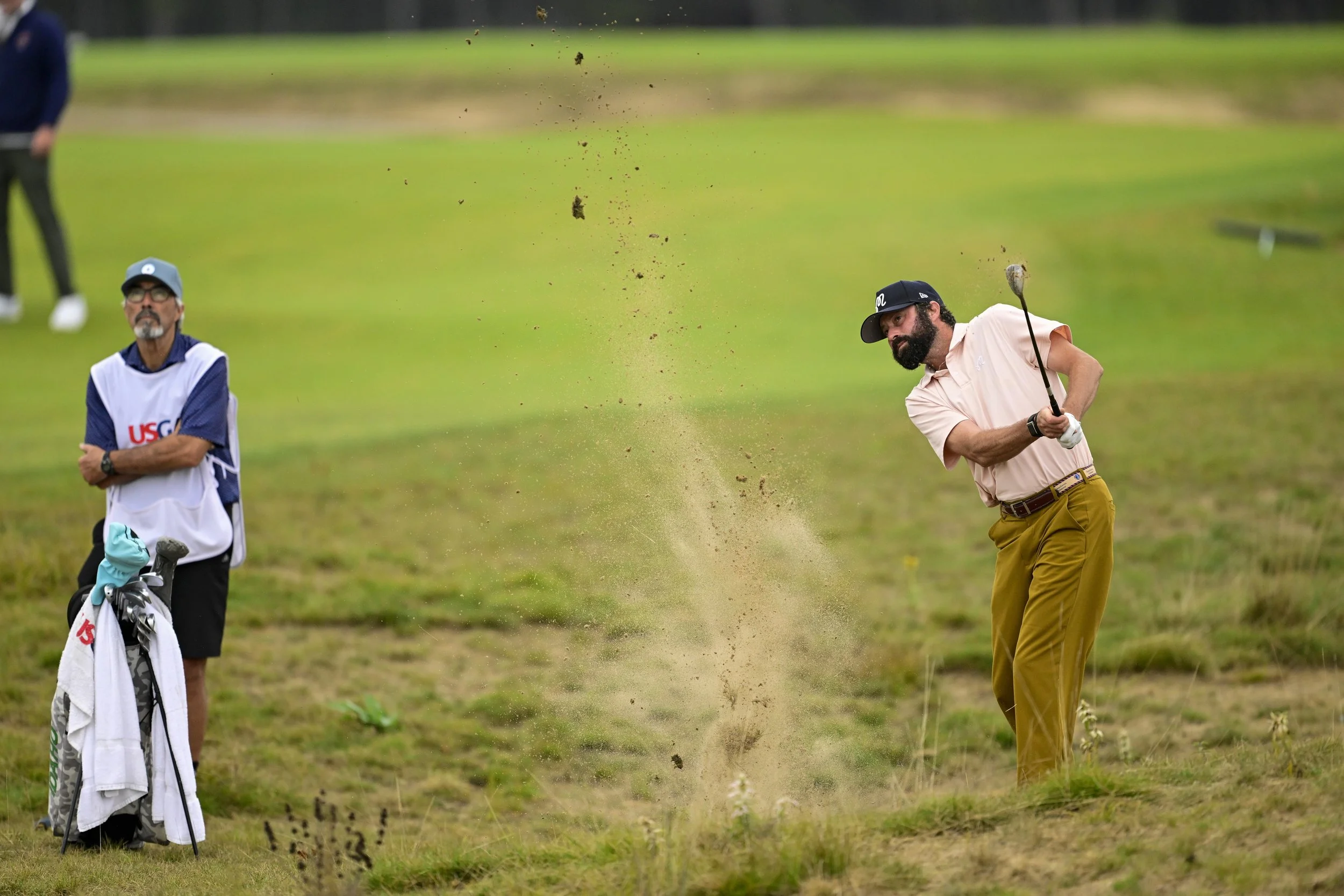
This year, on October 1, Ken threw Nate’s Team Idaho bag on his back for a ninth time in just six days, chasing a title that would have defined Nate’s second bite at the apple — and earn his son an exemption into the 2027 U.S. Open.
“I just thought it was going to be a relaxing walk,” Ken said. “And my expectation was just to be connected and close to him, and to be helpful and not make mistakes and not get in his way. I certainly didn’t know that we'd be where we ended up.”
By the end of that ninth round, shaking hands with Andrew Bailey on the Lido’s 14th green (the 32nd hole of the match), Nate and Ken had fallen just a few shots short. Bailey took out his buzzsaw, making birdie on 5 of the first 11 holes in the afternoon to win 5&4 and take the title. But the Smiths left Wisconsin with more memories than regrets.
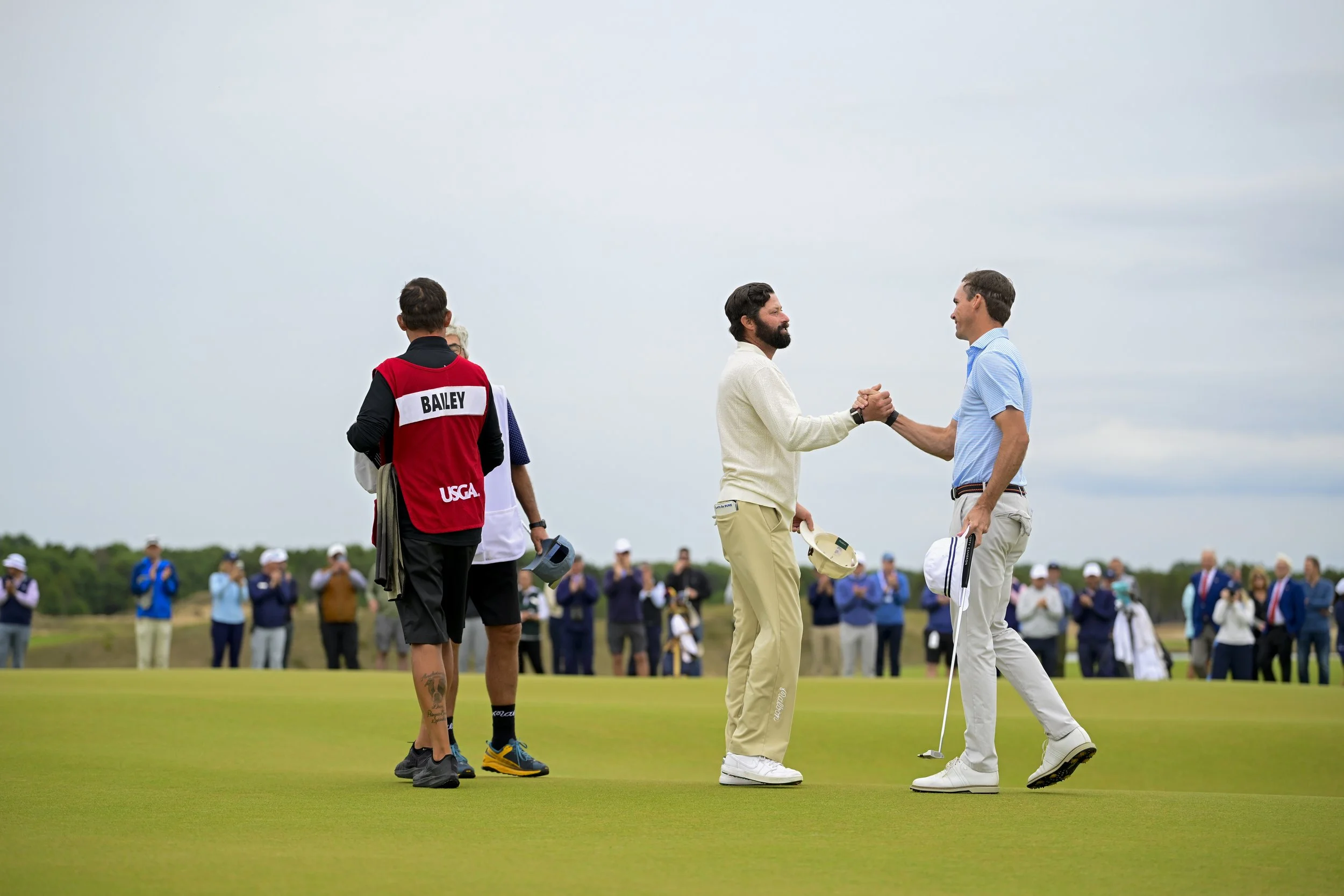
“It's all positive,” Nate said the next morning. “I am just kind of floating on cloud nine still — getting to share this experience with my dad, and getting to that elite level, and getting to participate in the intimate and elegant environment that the USGA provides to people who make it to that final match.”
Nate says one of the more surreal parts of his week at the U.S. Mid-Amateur was watching the field whittle down around him. The event begins with 264 players spread across two golf courses at Sand Valley Resort — the original Sand Valley course and the newest, but historically significant, Lido. After one round at each, just 64 players survive for single-elimination match play. Then 32 goes to 16, and 16 down to four. The buzz around the practice facility dampens by the day.
“And then you go to breakfast on the last day and there's only two people eating,” Nate said. “And then you walk onto the driving range. It's a huge driving range, clean picked, and there's only two names out there. You get to take a private Lexus car. They shuttle you around and you're realizing that on this great golf course there's only going to be two people playing it all day long — and then it really gets real when you get on the first tee.”
The scene Nate describes around the first tee sounds like a nightmare for anyone sensitive to pressure. Players are staged for photos with the Mid-Amateur Championship trophy named in honor of Bobby Jones. It sits there accompanied by the Havemeyer (U.S. Amateur) and U.S. Open trophies just in case the stakes of the day threatened to slip the players’ minds. USGA executives and Augusta National members hover about like dinner-plate-sized flies on the wall.
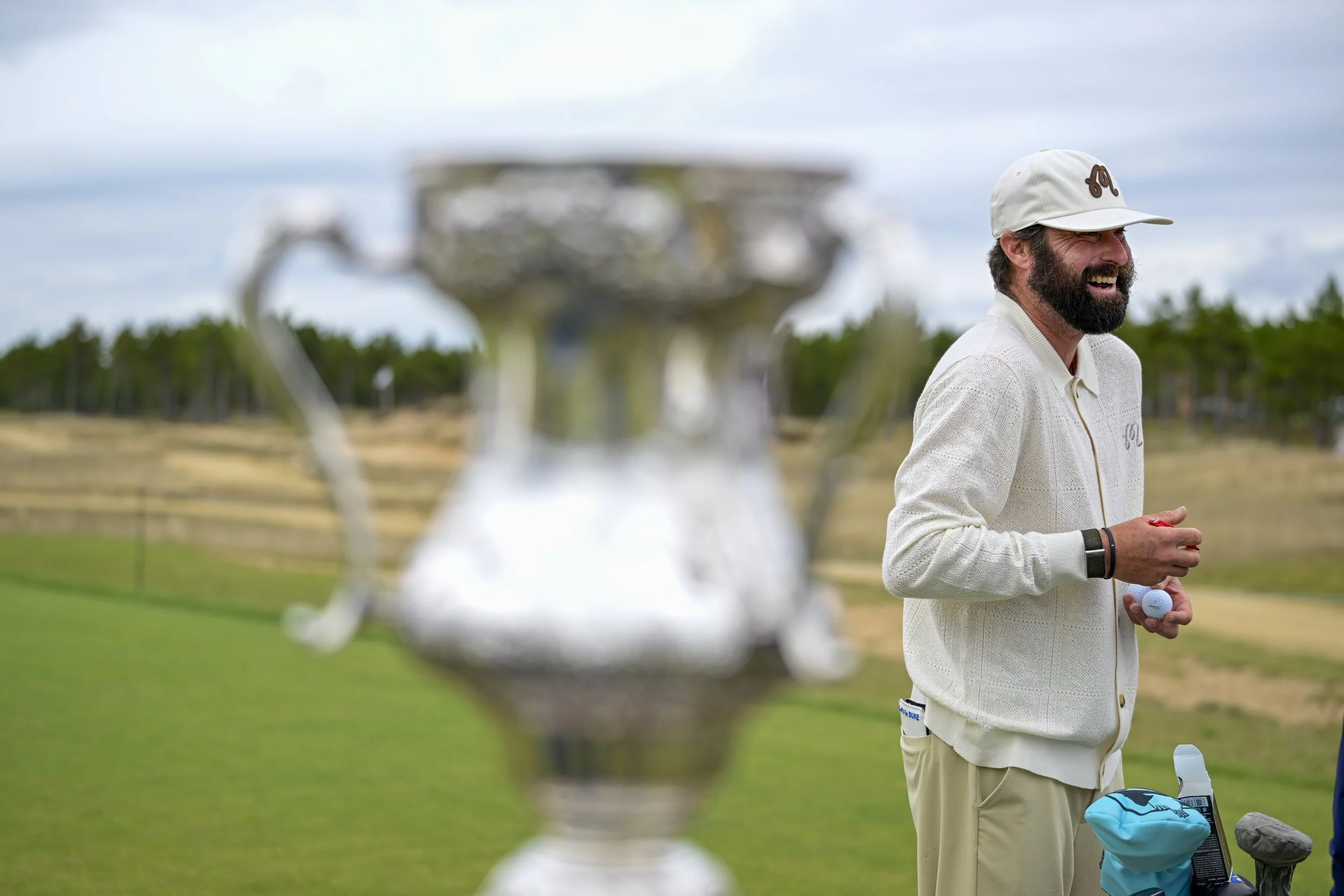
“Early in the week you're kind of scrambling for some attention,” Nate said. “Maybe you do something and your name shows up. By the time you get there to the last day, it's really all about you.”
The 2026 Idaho Amateur Champion – who needed that victory in July to earn an exemption into the U.S. Mid-Amateur this year — was struggling for attention when the week began, opening stroke play with a three-over round of 74. He found himself moving in the wrong direction to start his second round, making bogey at the par-5 fourth before a “scrappy” par at the 7th helped him flip the momentum. He played his final 10 holes in three-under par, posting 69 to avoid a 13-for-4 playoff for the final spots in match play.
After a win in the round of 64, Nate found himself toe-to-toe with the unofficial king of mid-amateur golf. Stewart Hagestad, the winner of three U.S. Mid-Amateurs and a six-time Walker Cuper, has spent a decade ruling the non-college ranks of amateur golf. Nate isn’t shy about describing Hagestad as something of a target.
“It's hard for somebody who wants to be the best to watch somebody else be the best,” Nate said. “It's not personal. He just happened to be the guy standing at the top of the mountain that I wanted to climb.”
Nate made his seventh birdie of the match on the 14th hole to win 5&4.
In fact, Nate wouldn’t see the 18th hole in any of his matches until Thursday morning when he and Bailey retired for lunch between rounds. Match by match, he and Ken continued their march around the Lido.
“Getting to share this experience with my dad in that environment was something that I will never forget,” Nate said. “These will be memories that I just cherish for the rest of my life.”
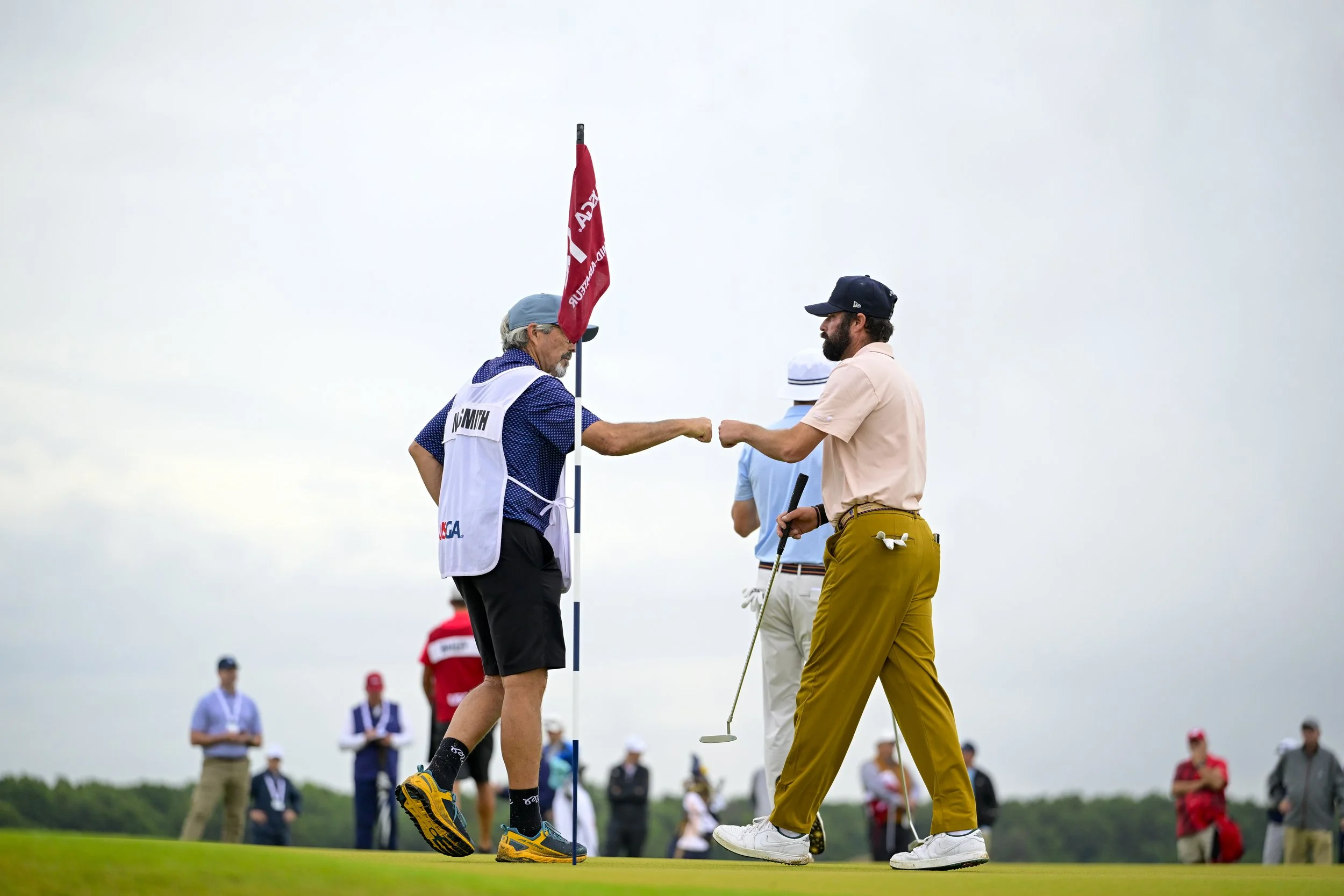
On their drive across Wisconsin, leaving a surreal week in the rearview, Nate’s reflections felt drawn more from a man than a golfer. And while he admits that The Masters might sting more than usual to watch this year, he spoke with tremendous pride about what proved himself that week — how he can conquer the fragility of human confidence and rise above pressures that once drove him away from the game.
Part of that story, he says, began with his victory at the Idaho Amateur at Teton Reserve — his adopted home course in Tetonia, Idaho.
“It gave me tremendous confidence,” Nate said. “And I think it just turned into this serene feeling out there this week — this bliss. It was just so much easier because it was the least pressure environment I played in all summer, strangely enough, and even going into the final match, it just felt like the further we got, the more house money I was playing with, and I guess it all goes back too to that, like yes, I'm not putting money on the table, or you know, putting money in my pocket through my performance on the golf course. But more than anything, this mission to compete again in the game of golf was for me to prove to myself that I had built a life that would allow me to go through these emotional ups and downs on the golf course and not have it affect who I was or how I felt about my life.”